10 Life Lessons That We Can Learn From Rollator For Seniors
Understanding Rollators for Seniors: A Comprehensive Guide
As individuals age, maintaining mobility and self-reliance ends up being significantly essential. One tool that has actually revolutionized senior mobility is the rollator. More than just a walking aid, rollators offer stability, support, and even a place to rest, allowing seniors to browse their environments with self-confidence. In this thorough guide, we will analyze what a rollator is, its advantages, types, features, and essential factors to consider for purchase. Additionally, we will address some regularly asked questions to help readers make notified choices.
What is a Rollator?
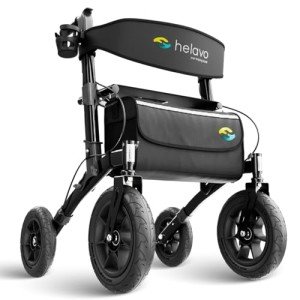
A rollator is a kind of wheeled walker geared up with 3 or four wheels, hand brakes, and a seat. Unlike standard walkers, which need the user to raise them with each action, rollators permit users to push the walker while walking, offering more support and stability. They are specifically designed for individuals who may have balance concerns and require assistance getting around without sacrificing self-reliance.
Advantages of Using a Rollator
The advantages of using a rollator for seniors are many. Here are some key advantages:
- Enhanced Mobility: Rollators enable seniors to walk more with confidence and comfortably without the need to completely depend on others for support.
- Convenience: With integrated seats, users can take a break whenever they require to, consequently reducing fatigue throughout getaways or errands.
- Security Features: Many rollators come with handbrakes that allow users to stop and secure the walker in place, decreasing the danger of falls.
- Storage Options: Some rollators come equipped with storage compartments or baskets, making it simpler to carry personal products like purses, groceries, or medical supplies.
Types of Rollators
Rollators come in numerous designs tailored to different needs and choices. Here's a breakdown of the most typical types:
Type of Rollator
Description
Suitable for
Standard Rollator
Typically features 4 wheels and a comfortable seat for resting.
The majority of seniors needing basic support.
Indoor Rollator
Created for usage inside the home, with slimmer frames for maneuverability.
Seniors requiring to browse tight areas.
Heavy-Duty Rollator
Built with a stronger frame to support higher weight capabilities.
Larger individuals who require sturdy support.
Lightweight Rollator
Made from lightweight materials for easy transport and handling.
Seniors who take a trip frequently or require to lift the rollator.
Rollator with Seat
Features a seat integrated into the frame, supplying a resting choice.
Seniors who may tire easily or enjoy longer walks.
Three-Wheel Rollator
Offers maneuverability and is designed for tight spaces.
Seniors requiring to navigate small areas.
Rollators with Accessories
Geared up with trays, baskets, or umbrellas for included benefit.
Seniors seeking additional performance.
Features to Consider When Buying a Rollator
When picking a rollator, different features can optimize the experience for seniors. Here's a list of important features and considerations:
Weight Capacity
- Make sure the rollator can support the user's weight conveniently.
Seat Height
- The seat should be at a comfortable height for the user, enabling easy gain access to.
Manage Height Adjustability
- Search for rollators with adjustable deals with so that users can discover their perfect height.
Brakes
- Hand brakes ought to be easy to engage and disengage, and they ought to lock securely.
Wheels
- Bigger wheels can manage irregular outdoor surface areas much better than smaller sized ones.
Frame Material
- Lightweight frames are simpler to maneuver, particularly for seniors with minimized strength.
Portability
- Foldable rollators are much easier to save or transport in an automobile.
Storage Options
- Try to find baskets or trays for carrying items, boosting usefulness during trips.
Devices
- Some rollators come with added devices like bags, cup holders, or perhaps a flashlight, which can boost use.
Style and Color
- Visual choice is likewise important; choosing a rollator that appeals to the user can make a huge difference in motivating regular usage.
Regularly Asked Questions (FAQ)
Q1: Who should use a rollator?
- Rollators are perfect for individuals who have problem walking due to age, injury, or medical conditions such as arthritis or post-surgery healing.
Q2: How much do rollators typically cost?
- Rates for rollators can vary commonly, from around ₤ 70 to over ₤ 300, depending upon features, materials, and brand name.
Q3: Can rollators be utilized outdoors?
- Yes, many rollators are created for both indoor and outdoor usage. Look for mymobilityscooters.uk with larger wheels for outdoor navigation.
Q4: Are rollators adjustable?
- Many rollators have adjustable manages and seat heights to accommodate different user sizes and preferences.
Q5: Do I require a prescription to purchase a rollator?
- Typically, a prescription is not needed to purchase a rollator. Nevertheless, talking to a doctor can offer personalized recommendations.
Utilizing a rollator can considerably enhance the quality of life for seniors, improving their mobility while promoting self-reliance. When picking the best rollator, consider aspects such as weight capability, height adjustability, and additional features to find the perfect match. With the ideal rollator, seniors can take pleasure in higher freedom, confidence, and convenience in their every day lives. Whether for a stroll in the park or running errands, a rollator might really well be the secret to maintaining an active way of life as one ages.